
No one tells you what happens after the fight is over.
We hear about the battle. The diagnosis. The rock bottom. The moment you decide you can’t keep living that way. We aim for the day when the crisis ends, when we are no longer sick, no longer addicted, no longer owned by our vices.
But when it happens, then what?
This morning I woke up and the sun was already shining through the curtains. That alone felt strange. I’m usually up before dawn, when it’s dark and quiet and full of possibility. Those early hours feel disciplined. Hopeful. Intentional.
But today I stayed in bed.
I scrolled. I played small games on my phone. I let the morning move without me.
There was a slight guilt to it. There’s always so much to do. So much to build. Lying there felt like wasting time; time I don’t feel like I have anymore.
Survival mode used to feel different.
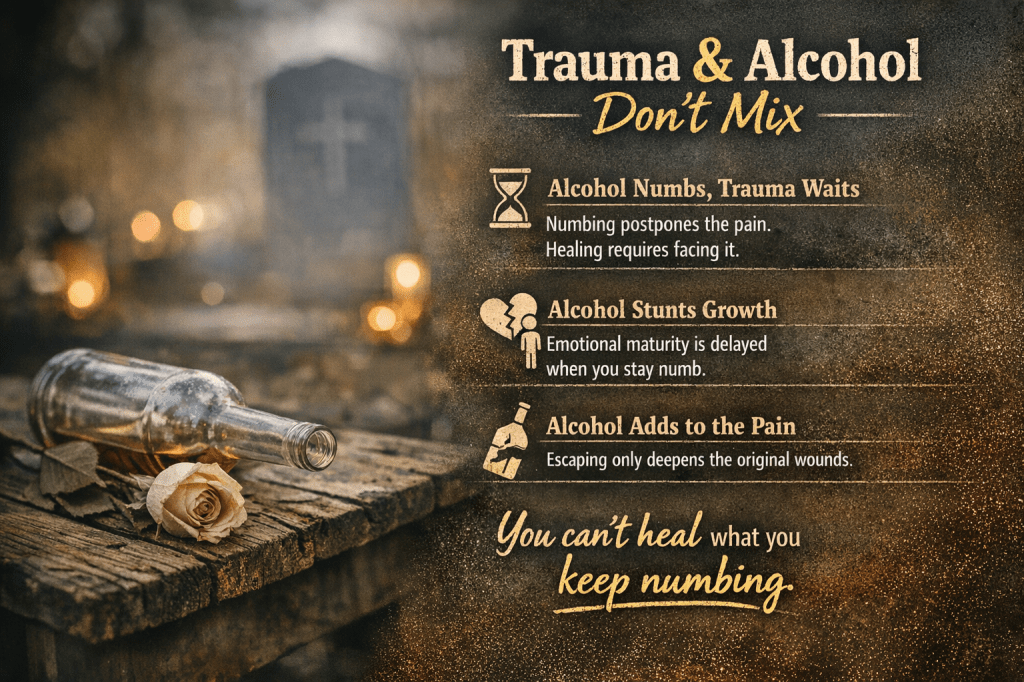
It was all-consuming. My focus was narrowed to one thing: don’t do what you shouldn’t do. Don’t take the drink. Don’t spiral into the fear. Don’t let the worry about cancer coming back swallow you whole. Just get through today without self-destructing.
That kind of living leaves no room for dreaming.
I didn’t feel strong in survival mode. I felt trapped inside it. My mind was still owned by trauma – by grief over my mother dying from cancer, by the constant awareness that life isn’t just rainbows and butterflies.
But I was proud of myself. Proud that I was doing better than yesterday. Proud that I wasn’t as lost as some people I knew who were still deeply immersed in addiction. Survival became its own identity. At least I was fighting.
And then the fight quieted.
Sobriety is quiet.
Healing is quiet.
And quiet can be terrifying.
When chaos has been your normal, peace feels suspicious. Without something urgent to overcome, you start to ask harder questions: Who am I without the crisis? Who am I if I’m not just surviving?
The silence leaves room for fear.
Fear of regression.
Fear of slipping back into old habits.
Fear of becoming average.
Fear of wasting more time.
I’ve already wasted so much time; that thought creeps in often. I turned forty and realized I couldn’t keep living in cycles of relapse and despair. I had convinced myself for years that trauma was my identity. That this was just life until I died.
Breaking that belief was brutal.
The space between addiction and now was damn hard. There are days I don’t know how I survived it.
But somewhere in that space, something shifted.
I started asking different questions. Not “How do I avoid destruction?” but “What do I value?” Not “How do I survive today?” but “What kind of life am I building?”
I found direction in going back to school. In changing careers. In trying to help others who are walking through similar darkness. I found purpose in living according to my values, even when I stumble.
Because here’s the truth no one romanticizes:
Living intentionally is slower than surviving.
There’s no adrenaline. No dramatic turning point. Just small, repetitive choices that no one sees.
And sometimes, it’s boring.
But boredom isn’t failure. Quiet isn’t regression. Peace doesn’t mean you’ve lost your edge.
It means you’ve moved into a different stage of the fight – the one where you’re no longer fighting yourself.
If I never have another major battle, that would be a gift.
I want to reach the end of my life and know I did the best I could with the time I had. That the fight didn’t define me. That I didn’t stay immersed in despair just because it was familiar.
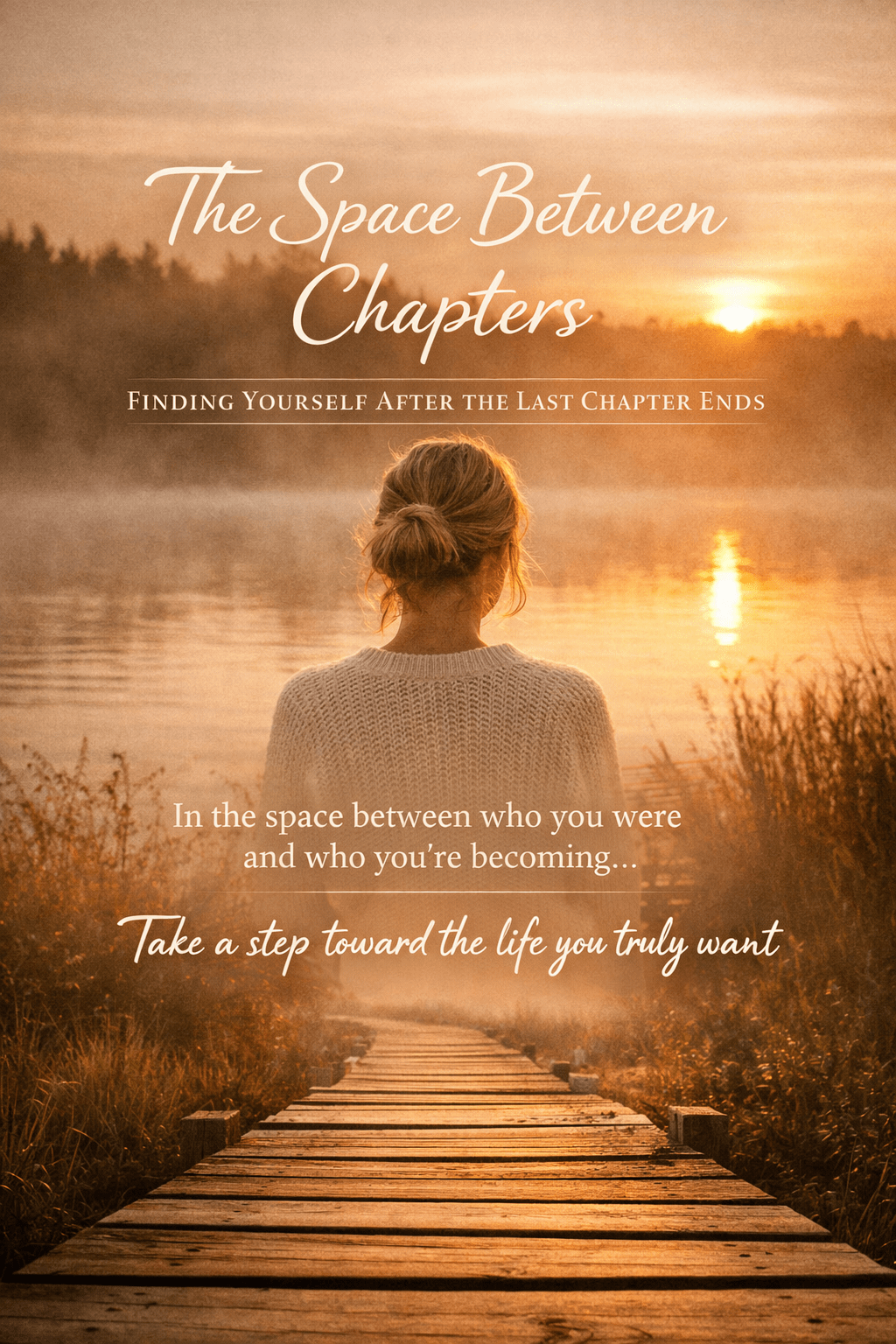
The space between survival and living is uncomfortable. It’s uncertain. It’s quiet.
But it’s also where identity is rebuilt.
And maybe that’s the real work all along.



 Evelyn Kane
Leave a comment